Transform Your Outdoor Space with Personalized Garden Designs
- Luke Harmer
- Jul 11, 2025
- 5 min read

Creating a beautiful outdoor space can be a rewarding experience. Your garden is not just a patch of land; it is an extension of your home, a place where you can relax, entertain, and connect with nature. Personalized garden designs can transform your outdoor area into a sanctuary that reflects your style and meets your needs.
In this blog post, we will explore various ways to personalize your garden. From choosing the right plants to incorporating unique features, we will provide practical tips to help you create a space that you will love.
Understanding Your Space
Before diving into design ideas, it is essential to understand your outdoor space. Take a moment to assess the area you have available. Consider the following:
Size: How large is your garden? Is it a small balcony, a backyard, or a spacious landscape?
Sunlight: Observe how much sunlight different areas receive throughout the day. This will influence your plant choices.
Soil Type: Knowing your soil type can help you select plants that will thrive in your garden.
Climate: Your local climate will determine which plants can grow successfully.
By understanding these factors, you can make informed decisions that will enhance your garden's design.
Choosing the Right Plants
Plants are the heart of any garden. They bring color, texture, and life to your outdoor space. Here are some tips for selecting the right plants:
Native Plants: Consider using native plants that are adapted to your local climate. They require less maintenance and are more resilient.
Seasonal Blooms: Choose a mix of plants that bloom in different seasons. This will ensure that your garden looks vibrant year-round.
Height and Texture: Incorporate plants of varying heights and textures. This adds depth and interest to your garden.
Personal Favorites: Don’t forget to include plants that you love. Whether it’s a fragrant rose or a colorful daisy, your garden should reflect your personal taste.
By carefully selecting your plants, you can create a garden that is not only beautiful but also uniquely yours.
Designing Functional Spaces
A well-designed garden should be functional as well as aesthetically pleasing. Think about how you want to use your outdoor space. Here are some ideas:
Seating Areas: Create cozy seating areas where you can relax or entertain guests. Consider adding benches, chairs, or even a hammock.
Pathways: Design pathways that guide visitors through your garden. Use materials like gravel, stone, or wood to create a natural look.
Water Features: Incorporate a water feature, such as a fountain or pond. The sound of water can create a calming atmosphere.
Garden Beds: Design raised garden beds for growing vegetables or flowers. This not only adds structure but also makes gardening easier.
By designing functional spaces, you can enhance the usability of your garden while maintaining its beauty.
Adding Unique Features
Personalizing your garden can also involve adding unique features that reflect your personality. Here are some ideas to consider:
Art Installations: Incorporate sculptures or art pieces that resonate with you. This can be a great conversation starter.
Lighting: Use outdoor lighting to create ambiance in the evenings. String lights, lanterns, or solar-powered lights can add a magical touch.
Decorative Fencing: Consider decorative fencing or trellises to add character to your garden. They can also provide privacy.
Themed Areas: Create themed areas, such as a butterfly garden or a zen space. This can make your garden feel more cohesive and intentional.
These unique features can make your garden stand out and reflect your personal style.
Maintenance Tips for a Thriving Garden
Once you have designed your personalized garden, it is essential to maintain it. Here are some maintenance tips to keep your garden thriving:
Regular Watering: Ensure your plants receive adequate water, especially during dry spells. Consider using a drip irrigation system for efficiency.
Weeding: Regularly check for weeds and remove them promptly. Weeds can compete with your plants for nutrients and water.
Pruning: Prune your plants as needed to encourage healthy growth. This can also help maintain their shape.
Fertilizing: Use organic fertilizers to nourish your plants. This will promote healthy growth and vibrant blooms.
By following these maintenance tips, you can ensure that your garden remains beautiful and healthy.
Creating a Seasonal Garden
A seasonal garden can provide year-round interest and beauty. Here are some ideas for creating a garden that changes with the seasons:
Spring Blooms: Plant early bloomers like tulips and daffodils for a burst of color in spring.
Summer Foliage: Incorporate summer flowers like sunflowers and zinnias for vibrant summer displays.
Autumn Colors: Choose plants with autumn foliage, such as maples or ornamental grasses, to enjoy fall colors.
Winter Interest: Include evergreens or winter-blooming plants to maintain visual interest during the colder months.
By planning for each season, you can create a dynamic garden that evolves throughout the year.
Engaging with Nature
Your garden is a place to connect with nature. Here are some ways to engage with the natural world in your outdoor space:
Wildlife Habitats: Create habitats for birds, butterflies, and beneficial insects. This can include birdhouses, butterfly gardens, and native plants.
Herb Gardens: Consider planting an herb garden. Fresh herbs can enhance your cooking and provide a sensory experience.
Outdoor Activities: Use your garden for outdoor activities like yoga, meditation, or gardening workshops. This can enhance your connection to nature.
Engaging with nature in your garden can promote relaxation and well-being.
Personalizing with Color
Color plays a significant role in garden design. Here are some tips for using color effectively:
Color Schemes: Choose a color scheme that reflects your style. You can opt for complementary colors or a monochromatic palette.
Bold Accents: Use bold colors for focal points, such as a bright bench or colorful pots. This can draw the eye and create interest.
Soft Pastels: If you prefer a more subdued look, consider soft pastels for a calming effect.
Seasonal Changes: Change your color scheme with the seasons by swapping out annuals or adding seasonal decor.
By personalizing your garden with color, you can create a vibrant and inviting space.
Bringing It All Together
Creating a personalized garden design is an exciting journey. By understanding your space, choosing the right plants, and incorporating unique features, you can transform your outdoor area into a beautiful sanctuary.
Remember to maintain your garden and engage with nature to keep it thriving. With a little creativity and effort, your garden can become a reflection of your personality and a place where you can unwind and enjoy the beauty of the outdoors.
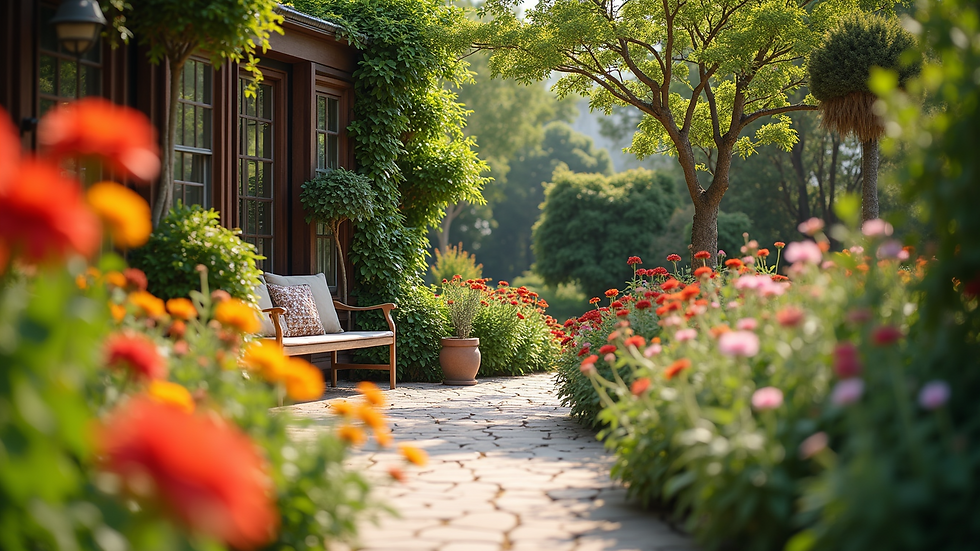
As you embark on this journey, keep in mind that your garden is a canvas. It is a space where you can express yourself and create a haven that brings you joy. So grab your gardening tools, unleash your creativity, and watch your outdoor space flourish.


Comments